P0175 means the engine computer is removing more fuel than expected to correct a rich reading on bank 2. A leaking injector, high fuel pressure or inaccurate sensor can cause it. Extra fuel can damage the catalytic converter and thin the engine oil. Stop safely if you smell fuel, see smoke or the light flashes.
What P0175 means
A rich mixture contains too much fuel for the air reaching the engine. P0175 means the computer has reduced bank 2 fuelling past the limit for adjustment. Bank 2 is the bank without cylinder 1. Check the engine diagram rather than assuming left or right. The code can come from too much fuel or a false rich reading. Running rich for a long time can dirty plugs, damage the catalyst and thin the engine oil.
Technical definition
Negative fuel trims mean the computer is taking fuel away. The rich check fails when the adjustment goes beyond the maker's set limit under required conditions. Compare both banks, coolant temperature and fuel pressure. A shared fuel or airflow fault may affect both banks. An injector or feedback problem on one bank may affect just that bank.
Symptoms
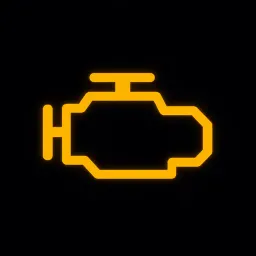
- Steady check engine light
- Poor fuel economy
- Rough idle or hard starting
- Black exhaust smoke may occur. Stop safely if you see smoke.
- Fuel smell may occur. Stop safely if you notice it.
- Sometimes no clear change in engine performance
Find out what's wrong with your car
Tell us your car and what you've noticed. You'll get a safety verdict and the three most likely causes of P0175 for your car, free.
Code selectedP0175
Free result
- Can you keep driving
- Top 3 likely causes for your car
- DIY or mechanic for each
Fix Plan
- Every cause, ranked for your car
- What to test first
- Parts list and step-by-step DIY guide
- Printable PDF
Start free. You can choose the Fix Plan after you see your result.
Common causes
These are general possibilities. Your car, symptoms and fault codes help narrow them down.
Inaccurate mass airflow reading
A sensor that reads too much incoming air can cause excess fuelling. Check ducting and data first.
Leaking fuel injector
Have a mechanic test injector leakage and balance. Direct-injection fuel systems use very high pressure.
Fuel pressure too high
Test pressure against the exact engine specification before replacing the regulator or pump.
Purge valve leaking unwanted fuel vapour
Poor starting after refuelling offers a clue. Test sealing and computer-controlled flow.
Coolant temperature reading too low
A false cold reading can keep the mixture rich. Compare cold sensor readings with the outside temperature.
Biased upstream oxygen or air-fuel sensor
Confirm the signal against other data. Do not assume every rich code needs a new sensor.
How to diagnose it
- Stop safely if you smell fuel, see smoke or have a flashing check engine light. Turn the engine off and get help.
- Record codes and freeze-frame data. Note whether one bank or both banks have rich codes.
- With the engine off and cool, check the air filter, intake ducting, sensor connectors and recent repair work.
- Have a mechanic compare fuel trims, airflow and coolant temperature with expected readings. Check purge flow, especially after refuelling.
- Have fuel pressure and injector leakage tested. Do not loosen high-pressure fuel lines. Ask the garage to check for thinned oil after ongoing rich running.
- Repair the tested cause and check fuelling. Replace fuel-diluted oil and dirty plugs if the mechanic finds this necessary.
Common fixes
Check the cause before you replace parts. Your diagnosis shows the parts and whether you can do the job yourself or need a mechanic.
- Replace mass airflow sensor (estimate)
- Replace one fuel injector (estimate)
- Replace purge valve (estimate)
- Replace coolant temperature sensor (estimate)
- Replace upstream oxygen or air-fuel sensor (estimate)
At a glance
- Severity
- ▲ Check soon
- Can I keep driving?
- Yes, for a short trip if the engine runs smoothly and you don't smell fuel or see smoke. If the light flashes, stop.
- Most common cause
- Excess fuel delivery or an inaccurate airflow reading
- DIY difficulty
- Moderate
- Systems
- Fuel delivery, air measurement, bank 2 oxygen feedback
Related warning lights
Common questions
What does code P0175 mean?
P0175 means the computer is subtracting more fuel than expected from bank 2 because feedback shows a rich mixture. The cause may be excess fuel, incorrect airflow data or a biased sensor. Testing tells these apart.
Can I drive with P0175?
Only briefly if the engine runs smoothly and there is no smoke or fuel smell. Stop safely if you notice either, or if the check engine light flashes. Continuing to run rich can damage the catalyst and thin the engine oil.
How much does it cost to fix P0175?
The repair depends on the cause. You may need purge valve, airflow sensor or injector replacement. Read the codes and diagnose the fault first. The diagnosis shows the parts needed and whether it is a DIY job or a mechanic job. The engine layout and injector type affect the repair procedure.
Can P0175 damage the catalytic converter?
Yes, running rich too long can overheat or damage the catalytic converter as excess fuel reaches the exhaust. It can also dirty spark plugs and thin the oil. Repair the cause before replacing any damaged converter.
How do I reset P0175?
Fix the confirmed fuelling fault, then clear the code with a scanner if needed. Check fuel trims afterwards. A reset alone does not repair rich running. This is guidance, not a professional inspection. If in doubt, stop safely and call for help.
Sources
- SAE J2012: Diagnostic Trouble Code Definitions
- Ford: OBD-II code definitions
- Ford: OBD system operation, gasoline engines
Last updated · How we write our guides
This is guidance, not a professional inspection. If in doubt, stop safely and call for help.