P0340 means the engine computer found a fault in the camshaft position sensor A circuit. A failed sensor, damaged wiring or poor electrical supply can cause it. It does not automatically mean the timing chain has failed. Get a diagnosis soon. Stop safely if the engine stalls, runs roughly or loses power.
What P0340 means
The camshaft position sensor helps the computer work out engine position for fuel injection. On some engines, it also helps with ignition and valve timing. P0340 involves sensor A on bank 1, or the single sensor on engines with one. Bank 1 contains cylinder 1. Sensor A often goes with the intake camshaft, but check the service diagram.
Technical definition
P0340 is a camshaft position circuit code. The computer may find a missing or unusable signal under its test conditions. Check sensor power, ground and signal for that sensor design. Timing or trigger-wheel faults can also affect the signal. Correlation codes such as P0016 describe a different check and may be stored alongside it.
Symptoms
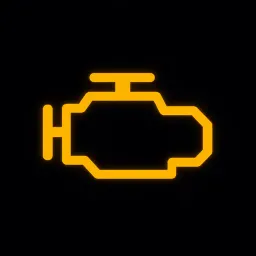
- Steady check engine light
- Takes a long time to start, or will not start
- Stalling that comes and goes
- Less power or rough running
- Sometimes normal running between signal faults
Find out what's wrong with your car
Tell us your car and what you've noticed. You'll get a safety verdict and the three most likely causes of P0340 for your car, free.
Code selectedP0340
Free result
- Can you keep driving
- Top 3 likely causes for your car
- DIY or mechanic for each
Fix Plan
- Every cause, ranked for your car
- What to test first
- Parts list and step-by-step DIY guide
- Printable PDF
Start free. You can choose the Fix Plan after you see your result.
Common causes
These are general possibilities. Your car, symptoms and fault codes help narrow them down.
Failed camshaft position sensor
Check the signal and circuit first. Reaching it may mean removing other parts.
Damaged wiring or corroded connector
A poor connection can cut out with heat or vibration, then work again.
Sensor supply or ground problem
Check the correct circuit design. A shared supply fault can affect more than one sensor.
Low cranking voltage or poor battery connection
Test battery condition and voltage drop if it turns over slowly or several voltage codes are stored.
Damaged trigger wheel or mechanical timing fault
Physical timing and trigger faults need proof from waveform or mechanical checks. Major internal engine damage needs separate diagnosis and repair.
How to diagnose it
- Stop safely if the engine stalls, loses power or runs roughly. Get it towed rather than testing a recurring stall in traffic.
- Save all codes and freeze-frame data. Note whether the fault happens cold, hot or during starting. Check recent repair work.
- Check sensor A and bank 1 against the engine diagram. With the engine off and cool, check wiring and connectors you can reach.
- Have battery condition, cranking voltage and sensor power and ground checked using the correct circuit diagram. Resistance or voltage rules do not fit every car.
- Have camshaft and crankshaft waveforms compared if basic circuit checks pass. Check timing before replacing more parts.
- Replace only the part confirmed to have failed. Do a position relearn if specified. Check the signal under the conditions that caused the fault.
Common fixes
Check the cause before you replace parts. Your diagnosis shows the parts and whether you can do the job yourself or need a mechanic.
- Repair sensor wiring or connector (estimate)
- Replace camshaft position sensor (estimate)
- Replace 12-volt battery if testing confirms failure (estimate)
- Repair trigger wheel or related mechanical fault (estimate)
At a glance
- Severity
- ▲ Check soon
- Can I keep driving?
- Only a short way, and only if the engine runs smoothly. If it stalls or loses power, stop and get it towed.
- Most common cause
- Faulty camshaft position sensor or damaged sensor wiring
- DIY difficulty
- Hard
- Systems
- camshaft position sensing, engine timing feedback, fuel injection and ignition
Related warning lights
Common questions
What does P0340 mean?
P0340 means the computer found a problem with the camshaft position sensor A circuit. The signal may be missing or not usable. A failed sensor, wiring fault or related mechanical problem needs testing before you replace parts.
Can I drive with P0340?
Only briefly if the engine starts and runs smoothly. Stop safely if it stalls, loses power or runs roughly. Some engines can keep running with a camshaft signal fault, but you cannot count on that.
How much does it cost to fix P0340?
The repair depends on the cause. It may mean position sensor replacement, wiring repair or trigger-wheel repair. Read the codes and diagnose the fault first. The diagnosis shows the parts needed and whether it is a DIY job or a mechanic job. The repair steps depend on access and the actual fault.
Where is the P0340 camshaft sensor located?
The sensor location depends on the engine. It is usually on or near the cylinder head, but access varies. Use the service diagram to find sensor A and bank 1 rather than guessing which side.
Will replacing the cam sensor fix P0340?
Only if tests show the sensor is faulty. Check wiring, electrical supply and signal quality first. A replacement sensor cannot repair a damaged connector or mechanical timing fault. This is guidance, not a professional inspection. If in doubt, stop safely and call for help.
Sources
- SAE J2012: Diagnostic Trouble Code Definitions
- Ford: OBD-II code definitions
- Ford: OBD system operation, gasoline engines
Last updated · How we write our guides
This is guidance, not a professional inspection. If in doubt, stop safely and call for help.