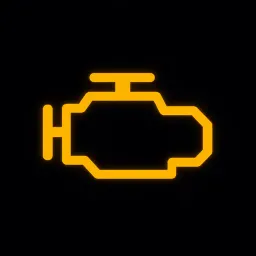
P0430 means the engine computer found catalytic converter efficiency below its limit on bank 2. A worn converter is one cause, but exhaust leaks and sensor faults need checking first. Short trips are usually reasonable if the engine runs normally. If the check engine light flashes, stop safely because misfires can damage the converter.
What P0430 means
The catalytic converter cuts harmful exhaust emissions. The computer uses sensors and a set of monitor checks to judge how well it works. P0430 involves bank 2, the engine bank that does not contain cylinder 1. Bank location varies by engine. The code does not prove the converter is blocked or that either oxygen sensor has failed.
Technical definition
The catalyst monitor checks oxygen storage or related sensor behaviour under set conditions. A failed bank 2 efficiency check sets P0430. Methods vary, especially with wideband upstream sensors. One voltage rule will not fit every car. Fuel-trim faults, misfires, exhaust leaks and sensor response must be checked before deciding the catalyst has failed.
Symptoms
- Steady check engine light
- Often no change in how the car drives
- Failed catalyst self-test
- Less power if the converter is also blocked
- Sulphur smell may happen, but does not tell you the cause
Find out what's wrong with your car
Tell us your car and what you've noticed. You'll get a safety verdict and the three most likely causes of P0430 for your car, free.
Code selectedP0430
Free result
- Can you keep driving
- Top 3 likely causes for your car
- DIY or mechanic for each
Fix Plan
- Every cause, ranked for your car
- What to test first
- Parts list and step-by-step DIY guide
- Printable PDF
Start free. You can choose the Fix Plan after you see your result.
Common causes
These are general possibilities. Your car, symptoms and fault codes help narrow them down.
Worn or damaged bank 2 catalytic converter
Check efficiency after checking fuel control and sensors. Burning oil or coolant can damage a replacement too.
Exhaust leak near the monitored converter
Air entering the exhaust can upset oxygen readings. Check flanges, joints and cracks.
Faulty downstream oxygen sensor or wiring
Test heater, signal and response. Do not replace it just because this code is there.
Misfire or incorrect fuelling
Fix related codes first. Unburnt fuel can overheat the converter.
Faulty upstream oxygen or air-fuel sensor
Check response and fuel control using data that matches the sensor type.
Incorrect replacement converter
A poorly matched converter may not meet the car's monitor requirements. Check the correct approved fit.
How to diagnose it
- Stop safely if the check engine light flashes, power drops sharply, or you notice smoke or a burning smell.
- Save codes and freeze-frame data. Diagnose misfire, fuel-trim and oxygen sensor circuit codes before the catalyst code.
- Check bank 2 against the engine service diagram. Have the exhaust checked for leaks around that bank's sensors and converter.
- Have a mechanic compare sensor signals and fuel trims using the correct sensor specifications. Comparing general voltage readings is not enough.
- Check catalyst monitor results and test for exhaust restriction if power is low. Find any oil or coolant burning before replacing the converter.
- After the confirmed repair, check that the catalyst monitor passes. Clearing the light alone does not bring back converter efficiency.
Common fixes
Check the cause before you replace parts. Your diagnosis shows the parts and whether you can do the job yourself or need a mechanic.
- Repair exhaust leak (estimate)
- Replace downstream oxygen sensor (estimate)
- Replace upstream oxygen or air-fuel sensor (estimate)
- Replace approved aftermarket converter (estimate)
- Replace original-equipment converter assembly (estimate)
At a glance
- Severity
- ▲ Check soon
- Can I keep driving?
- Yes, for now, if the engine runs normally. Stop if the light flashes, you see smoke, smell fuel or burning, or the car loses a lot of power.
- Most common cause
- Worn or damaged bank 2 catalytic converter
- DIY difficulty
- Hard
- Systems
- Bank 2 catalytic converter, exhaust, oxygen and air-fuel sensors
Related warning lights
Common questions
What does code P0430 mean?
P0430 means catalyst efficiency on bank 2 fell below the computer's limit. Bank 2 does not contain cylinder 1. The converter may be worn, but exhaust leaks and incorrect sensor readings must be checked first.
Can I drive with P0430?
Usually yes, short term, if the engine runs normally and the check engine light is steady. Stop safely if it flashes or power drops sharply. A misfire can overheat the converter, and a blocked exhaust needs attention soon.
How much does it cost to fix P0430?
The repair depends on the cause. It may mean exhaust leak repair, downstream oxygen sensor replacement or catalytic converter replacement. Read the codes and diagnose the fault first. The diagnosis shows the parts needed and whether it is a DIY job or a mechanic job. The repair steps depend on converter type, access and the required fit.
Is P0430 caused by an oxygen sensor or catalytic converter?
Either can be involved, but P0430 does not choose between them. A worn converter is a common cause. Check exhaust sealing, sensor response and fuel control before buying either part, especially if other engine codes are stored.
Will clearing P0430 make it go away?
Only temporarily if the fault remains. Repair the confirmed cause and let the catalyst monitor run again. Clearing codes also resets readiness checks used by emissions testing. This is guidance, not a professional inspection. If in doubt, stop safely and call for help.
Sources
- SAE J2012: Diagnostic Trouble Code Definitions
- Ford: OBD-II code definitions
- Ford: OBD system operation, gasoline engines
Last updated · How we write our guides
This is guidance, not a professional inspection. If in doubt, stop safely and call for help.