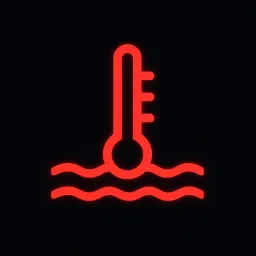
A red coolant temperature light usually means the engine is overheating. Stop safely and switch the engine off. Some cars use the same red symbol for low coolant or another cooling fault. Never remove a radiator or coolant reservoir pressure cap while hot. Let the engine cool and get help before continuing your trip.
Also called engine temperature warning light, overheating light, red thermometer light, coolant warning light
What to do right now
- Pull over as soon as it is safe and turn the engine off. Do not keep driving to see whether the warning clears.
- Keep clear of steam and hot liquid. Do not open the bonnet or hood if steam is escaping from underneath it.
- Leave the radiator and coolant reservoir pressure caps closed while hot. Wait for the engine to cool fully. Do not rely on a set number of minutes.
- Read the warning message and call roadside help. Report coolant loss, steam, an empty reservoir or any recent cooling work.
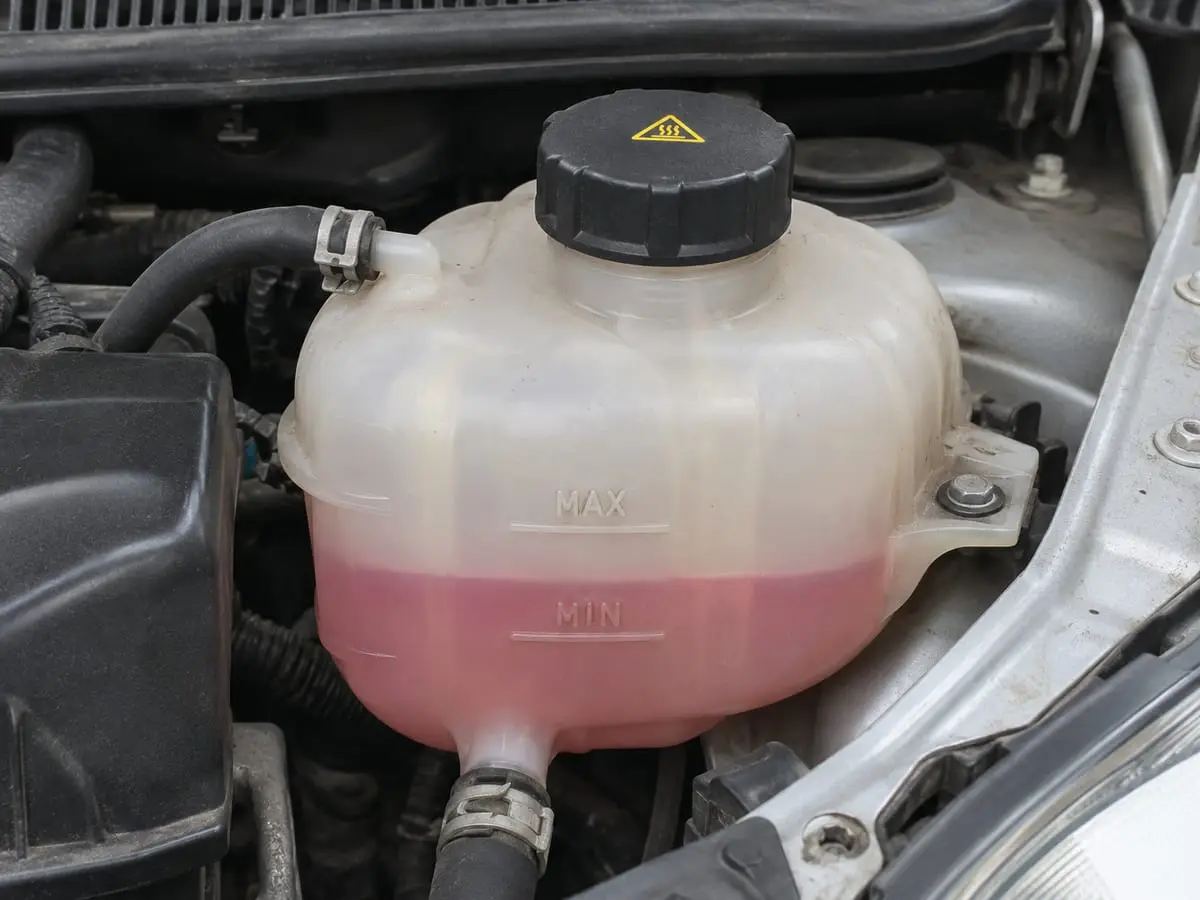
- Check the reservoir level only when fully cold and safe, following the manual. Do not pour cold liquid into a hot engine.
- Have the cause diagnosed before driving again. Use a qualified technician for hybrid or EV cooling faults involving high-voltage parts.
Find out what's wrong with your car
Tell us your car and what you've noticed. You'll get a safety verdict and the three most likely causes, free.
■ Stop safely first. Use this once you're parked.
Light selectedCoolant temperature light
Free result
- Can you keep driving
- Top 3 likely causes for your car
- DIY or mechanic for each
Fix Plan
- Every cause, ranked for your car
- What to test first
- Parts list and what your mechanic should check
- Printable PDF
Start free. You can choose the Fix Plan after you see your result. Have a mechanic do the checks and repairs.
Not the same as
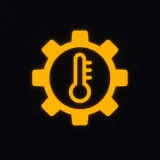
These look close to the coolant temperature light. Check the shape and colour.
Common causes
These are general possibilities. Your car, symptoms and fault codes help narrow them down.
Low coolant from a hose, radiator or other leak
A pressure test can find leaks once the system is safe to handle. External leak repairs may need replacement parts and coolant.
Thermostat stuck closed
Coolant cannot flow properly through the radiator. Repair may mean replacing the thermostat assembly and refilling coolant.
Cooling fan, relay or fan control fault
Overheating may be worse at low road speed. Keep hands clear. Electric fans can start unexpectedly.
Water pump or coolant circulation fault
Pump access and design vary widely. High-voltage-related work needs a qualified technician. Repair may need pump parts and replacement coolant.
Temperature sensor or wiring fault
A false reading is possible, but someone must check for real overheating first.
Head gasket or internal engine fault
Testing is needed before major work. Damage inside the engine may need engine repair or replacement.
Steady vs flashing
Steady
A red light with the engine running means stop and switch off. A blue temperature light on some cars means the engine is cold. Drive gently while it warms, following the manual.
Flashing
A flashing red coolant symbol can mean overheating, low coolant or a system fault, depending on the car. Treat it as a stop warning. Do not assume flashing means only a faulty sensor.
At a glance
- Severity
- ■ Stop now
- Can I keep driving?
- No. Pull over safely, turn off the engine and let it cool down.
- Most common cause
- Low coolant, a leak or another cooling-system fault. The light alone cannot tell you which
- DIY difficulty
- Pro only
- Systems
- Engine cooling, coolant circulation, radiator fan and temperature monitoring
Codes behind this light
These codes often come with this light. Read the codes stored in your car before you replace any part.
Read your fault code
The light is the warning. The code tells you why. A code helps narrow down the checks. It doesn't prove which part failed.
Look up a code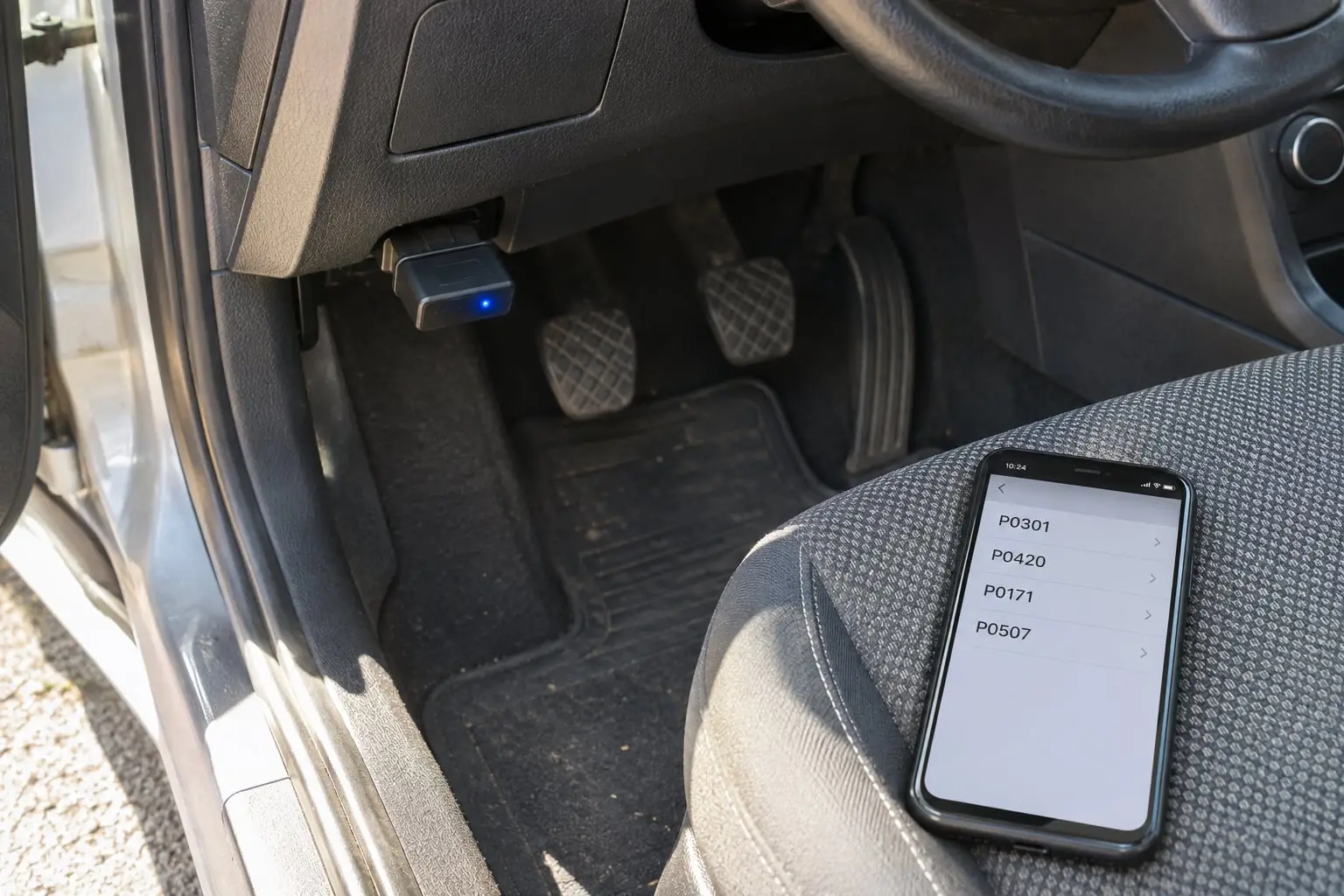
No scanner?
- Get a free scan at a parts store. Many free scans read engine codes only.
- Compare Bluetooth scanners. Check which systems each one reads before you buy.
- Describe your symptoms if you can't read the code yet.
Our pickBlueDriver Pro
Most drivers who want code explanations and repair reports, plus ABS and airbag code reading on supported cars.
By make













How to reset it
Write down the fault code and fix the cause before clearing the light. A reset does not repair a fault.
Check your owner's manual for the reset steps for your car.
Other names for this light
- UKengine coolant temperature warning lamp
- AUhigh engine coolant temperature light
Common questions
What does the red coolant temperature light mean?
It usually means overheating, though some cars use it for low coolant or another cooling-system fault. Stop safely and switch off. A red warning needs checking even if the gauge seems normal or you cannot see steam.
Can I drive with the coolant temperature light on?
No, if it is red or comes with an overheating message. Continuing to drive can cause major engine damage. Stop safely, turn the engine off and get help. A blue cold-engine indicator has a different meaning. Check the manual.
Can I open the coolant cap after overheating?
Not while the engine or cooling system is hot. Pressurised coolant and steam can cause serious burns. Wait until it is fully cold and follow the manual. There is no fixed cooling time that is safe for every car.
What does a blue coolant light mean?
On cars fitted with one, a blue coolant light usually means the engine is still cold. Drive gently and avoid high engine speed while it warms. If it stays on unexpectedly or changes to red, check the manual and get diagnosis.
How much does an overheating repair cost?
The repair depends on the cause. It may involve a thermostat, water pump or engine damage, with replacement coolant as needed. Let the engine cool before diagnosis. Read the codes and test the cooling system first. Diagnosis shows which parts are needed and whether the repair is a DIY job or needs a mechanic. This is guidance, not a professional inspection. If in doubt, stop safely and call for help.
Related lights

Sources
Last updated · How we write our guides
This is guidance, not a professional inspection. If in doubt, stop safely and call for help.