
Jeep dashboard symbols and meanings use red for urgent warnings, yellow for faults and green or blue for features in use. The A inside a circular arrow is for Stop/Start. Green usually means the engine has stopped automatically. Yellow can mean a fault. Read the message because Stop/Start being unavailable does not always mean a failure.
Also searched jeep dashboard symbols a with circle, jeep cherokee dashboard symbols and meanings, jeep compass dashboard symbols and meanings
Find your Jeep symbol
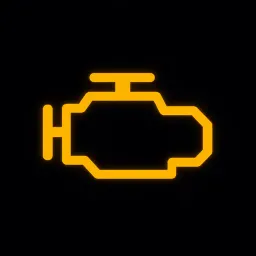 Malfunction Indicator Light (MIL)▲ Check soon
- Malfunction Indicator Light (MIL) flashing■ Stop now
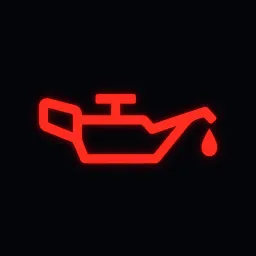 Oil pressure warning■ Stop now
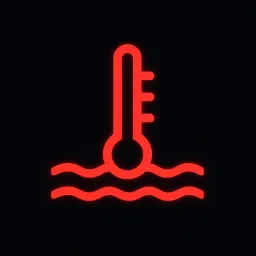 Engine temperature warning■ Stop now
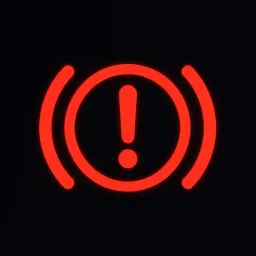 Brake warning■ Stop now
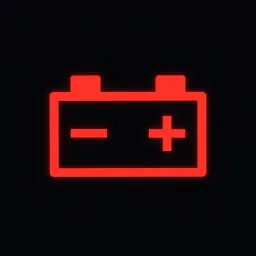 Battery charge warning▲ Check soon
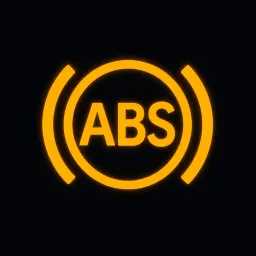 Anti-Lock Brake (ABS) warning▲ Check soon
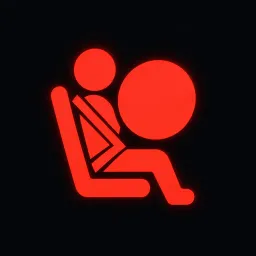 Air bag warning▲ Check soon
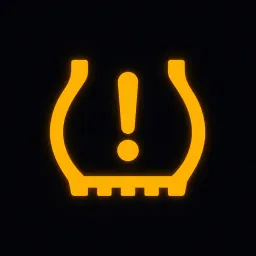 Tire Pressure Monitoring System (TPMS) warning▲ Check soon
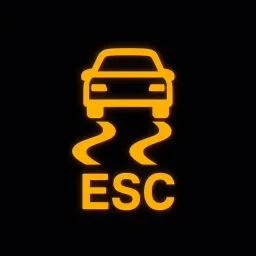 Electronic Stability Control (ESC) active/malfunction▲ Check soon
 High beam indicator● Info
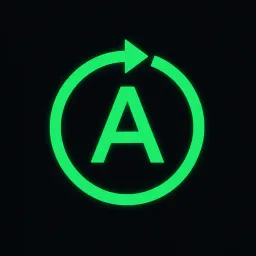 Stop/Start active indicator● Info
- Stop/Start service warning▲ Check soon
 Electronic Throttle Control (ETC)▲ Check soon
 Service 4WD warning▲ Check soon
Find out what's wrong with your car
Pick the light or enter the code, then add your Jeep model and what you've noticed. You'll get a safety verdict and the three most likely causes, free.
Make selectedJeep
Free result
- Can you keep driving
- Top 3 likely causes for your car
- DIY or mechanic for each
Fix Plan
- Every cause, ranked for your car
- What to test first
- Parts list and step-by-step DIY guide
- Printable PDF
Start free. You can choose the Fix Plan after you see your result.
Red Jeep warning lights
Oil pressure warning ■ Stop now
Engine oil pressure may be too low to protect the moving parts. It is not an oil change reminder.
What to do: Stop safely and switch the engine off. Do not restart until someone has checked the cause.
Engine temperature warning ■ Stop now
The engine is overheating. Some models show a red temperature message instead of this symbol.
What to do: Stop safely and turn the engine off. Let it cool. Never open a hot coolant cap.
Brake warning ■ Stop now
If your parking brake is released, this can mean low brake fluid or a brake system fault.
What to do: Stop safely. Get it checked before driving on. Have a mechanic do brake hydraulic repairs.
Battery charge warning ▲ Check soon
Your charging system is not supplying power properly while the engine is running.
What to do: Only drive a short way. Head for help now. Stop safely if power fades or the engine overheats.
Air bag warning ▲ Check soon
The airbag or seat belt restraint system has a fault. Some protection may not work in a crash.
What to do: Book a professional diagnosis soon. Have a mechanic do SRS repairs. Do not touch the airbag connectors.
Electronic Throttle Control (ETC) ▲ Check soon
The lightning-bolt symbol means an electronic throttle control fault. The generic image is just there for reference.
What to do: Read the message. Get a diagnosis soon. Stop safely if it flashes, power drops or you cannot trust throttle response.
Yellow / amber Jeep warning lights
Malfunction Indicator Light (MIL) ▲ Check soon
A steady light means your engine computer has found an engine or emissions fault.
What to do: Get the stored codes read soon. Avoid long trips. Stop safely if you see smoke or smell burning or fuel.
Malfunction Indicator Light (MIL) flashing ■ Stop now
A flashing engine light usually means a misfire that can overheat the catalytic converter.
What to do: Ease off the accelerator. Stop safely, turn the engine off and call for help.
Anti-Lock Brake (ABS) warning ▲ Check soon
Anti-lock braking may not work. Your normal braking usually still works if the red brake warning is off.
What to do: Drive carefully to a garage. Stop and get help if the red brake warning is also on.
Tire Pressure Monitoring System (TPMS) warning ▲ Check soon
One or more tires may not have enough air. Flashing followed by a steady light usually means a monitoring fault.
What to do: Stop somewhere safe. Check cold pressures against the label by the door. Repair leaks before any reset.
Electronic Stability Control (ESC) active/malfunction ▲ Check soon
A steady warning can mean stability control has a fault. If it flashes during wheel slip, it is usually working.
What to do: Ease off if it flashes on a slippery road. Get a warning that stays on checked. Read the cluster message.
Stop/Start service warning ▲ Check soon
A yellow Stop/Start warning can mean the system needs service. A message saying it is unavailable can have normal causes.
What to do: Read the exact message. Have the battery and Stop/Start system tested if the service warning stays on.
Service 4WD warning ▲ Check soon
Your four-wheel-drive system has found a fault. This is different from a normal 4WD mode indicator.
What to do: Avoid tough off-road driving. Stop if you hear grinding, lose drive or see an instruction to stop.
Green, blue and white indicator lights
High beam indicator ● Info
Your main beam headlights are on. This light normally just tells you that.
What to do: Use dipped headlights when needed so you do not dazzle other road users.
Stop/Start active indicator ● Info
On Jeeps with Stop/Start, the engine shut off automatically while the car is stopped.
What to do: Keep the brake applied as directed. Expect the engine to restart when its operating conditions change.
Symbols unique to Jeep

Jeep A with a circle
The A inside a circular arrow means Stop/Start. Green normally means the engine stopped automatically. On models with this system, yellow with a service message means a fault.
What to do: Check the full message. Temperature, battery charge and cabin heating can stop Stop/Start working without a fault. Do not replace a battery based on the symbol alone.

Jeep lightning-bolt warning
The red lightning bolt is Jeep's Electronic Throttle Control warning. It is different from a battery charging warning. Its shape differs from the generic engine-control picture.
What to do: Have the throttle system diagnosed soon. Stop safely if the warning flashes, the engine runs roughly or you cannot rely on acceleration.

Jeep Service 4WD
Service 4WD means a fault. A 4WD LOW or lock indicator can simply show a mode you have selected. Transfer systems differ between Jeep models.
What to do: Read the message and scan the drivetrain modules. Do not try random modes to clear a service warning.
Common Jeep codes
- P0456
Very small evaporative emissions leak. Check the fuel cap if your car has one. Test the vapor system, including leak detection components.
- P0440
Evaporative emissions system fault. Have the hoses, valves and leak-detection equipment tested.
- P0128
Coolant below thermostat regulating temperature. Check cold coolant level and thermostat operation.
- P0300
Multiple-cylinder misfire. Check ignition and fueling first. Do mechanical testing if needed.
- P0302
Cylinder 2 misfire. Some early 3.6L engines have documented cylinder head issues. Check with testing.
- P0420
Catalyst efficiency below threshold, bank 1. Check for misfires and exhaust leaks before you replace the converter.
Jeep known issues by model
An issue on this list doesn't mean your car has a recall or a fault. Use your VIN to check recalls.
Wrangler / Grand Cherokee 2011–2013
Some early 3.6L engines have cylinder head faults and misfires that keep happening. Affected Wranglers are 2012?2013. Replacing a coil does not fix poor compression.
Cherokee 2014–2017
Some Active Drive II models have power transfer unit spline faults. Get help soon for grinding or loss of drive. Check if your VIN is affected.
Grand Cherokee 2011–2013
Some cars have fuel pump relay faults that can cause stalling or stop the engine starting. Check recall status by VIN, including earlier recall repairs.
How to reset Jeep lights
Fix warning-light faults before clearing codes. Service reminders have different reset steps.
Reset Jeep oil life after an oil change
- Carry out the oil and filter service.
- Use Oil Life in the instrument display if available, then follow the reset confirmation.
- On models using the pedal method, switch ignition to ON/RUN without starting. Press the accelerator fully three times within ten seconds, then switch off.
- Steps vary by model and year. Check your owner's manual.
Clear a Jeep low tire pressure warning
- Set cold tire pressures to the placard figures. Check for punctures or damage.
- Drive as your manual tells you so the sensors can update. Many Jeeps relearn without a dashboard reset button.
- Check any Service Tire Pressure System message with a TPMS tool. Do not let air out of the tires or disconnect the battery to hide it.
- Steps vary by model and year. Check your owner's manual.
Read your fault code
The light is the warning. The code tells you why. A code helps narrow down the checks. It doesn't prove which part failed.
Look up a code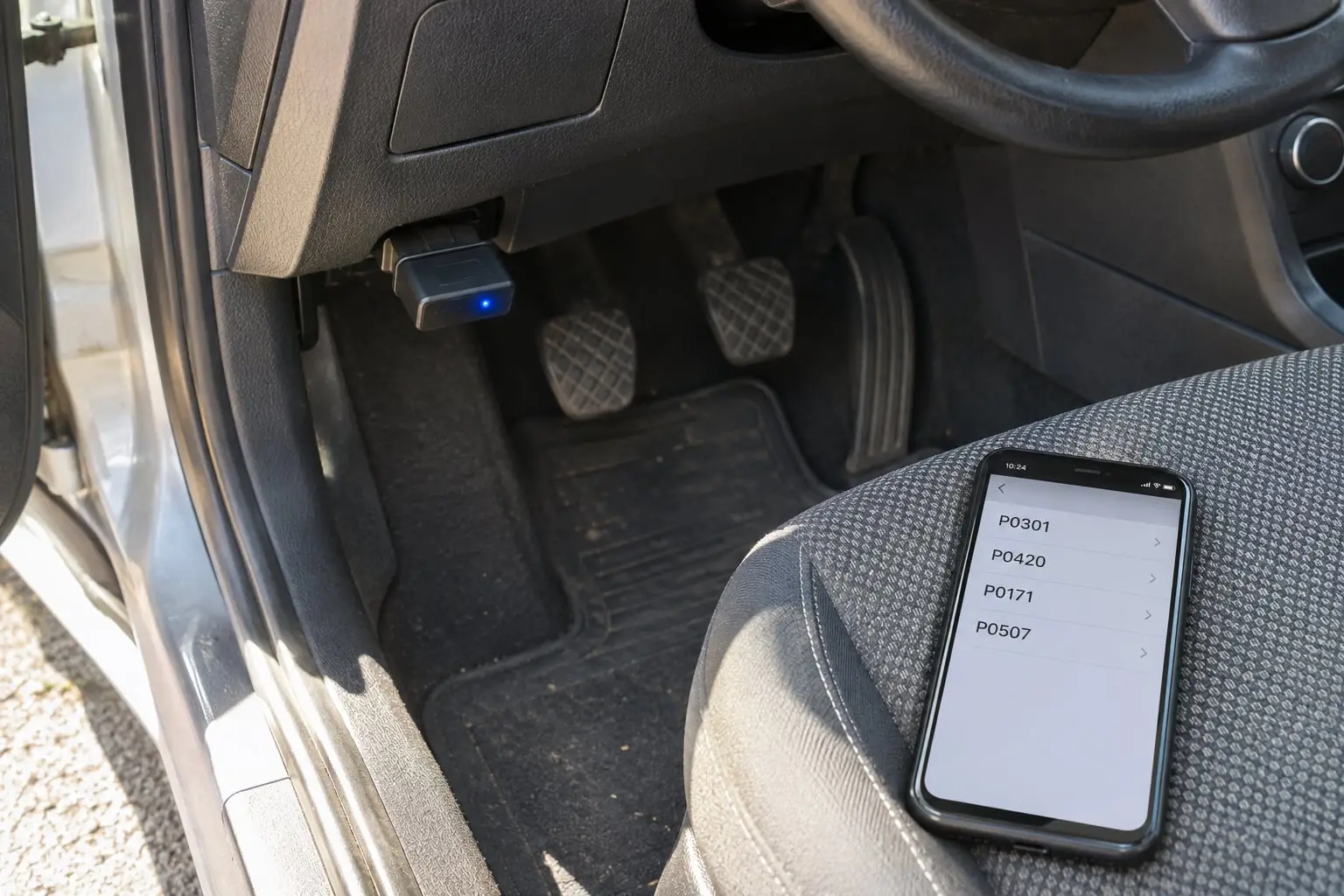
No scanner?
- Get a free scan at a parts store. Many free scans read engine codes only.
- Compare Bluetooth scanners. Check which systems each one reads before you buy.
- Describe your symptoms if you can't read the code yet.
Best scanner for JeepBlueDriver Pro
Most drivers who want code explanations and repair reports, plus ABS and airbag code reading on supported cars.
Check support for your exact model, year and system before buying. A basic engine reader may not read Jeep ABS or airbag codes.
Jeep models
Wrangler · Grand Cherokee · Cherokee · Compass · Renegade · Gladiator · Avenger · Wagoneer
Common questions
What do Jeep dashboard symbols and meanings tell me?
Jeep symbols show system faults or functions you have selected. Check the display message as well as the colour. Red oil pressure, overheating or brake faults mean stop safely. A flashing engine light also means stop, even though the symbol is amber.
What does the A with a circle mean on a Jeep dashboard?
The A inside a circular arrow is the Stop/Start indicator on Jeeps with this feature. Green usually means the engine has stopped automatically. A yellow service warning needs checking. An unavailable message can mean battery charge or temperature conditions are not right instead.
What does the red lightning bolt mean on a Jeep?
The red lightning bolt means an Electronic Throttle Control fault. It does not tell you which part has failed. Get the throttle system codes read. Stop safely if the light flashes, the engine runs badly or you cannot rely on accelerator response.
How do I reset Jeep dashboard warning lights?
Reset oil life only after the oil service. Correct tire pressures before letting TPMS update. Engine, ABS and airbag warnings need a fault diagnosis and repair. Disconnecting the battery can erase useful information without fixing the cause.
Can I drive with a Jeep Service 4WD light?
Only consider a short road drive if the manual allows it and the car still drives normally. Stop for grinding, loss of drive or a stop message. Avoid off-road use. This is guidance, not a professional inspection. If in doubt, stop safely and call for help.
Sources
- Jeep official site and owner resources
- Jeep cylinder head service information via NHTSA
- NHTSA recalls and manufacturer communications
Last updated · How we write our guides
Other makes











This is guidance, not a professional inspection. If in doubt, stop safely and call for help.