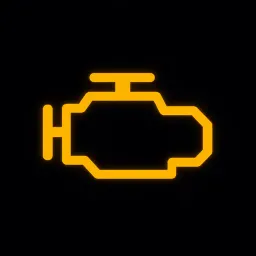
The check engine light means your car has found an engine or emissions fault. A steady light usually means you can make a short, gentle trip for diagnosis if the car runs normally. A flashing light can mean a damaging misfire. Pull over safely, turn the engine off and call for help if it flashes.
Also called engine warning light, engine management light, malfunction indicator lamp, check engine soon, service engine soon light
What to do right now
- Check whether the light is steady or flashing. If it flashes, ease off the accelerator and pull over safely.
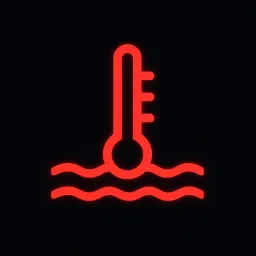
- Stop and turn the engine off if it runs roughly, overheats, loses a lot of power or shows a red oil warning.
- Stop safely for smoke, a burning smell or a fuel smell. Leave the car and call for help if you suspect fire.
- Check the fuel cap with the engine off, if your car has one. Tighten it as the owner's manual says.
- Read and save the OBD-II codes before clearing anything. A code points to a fault, not a proven failed part.
- Get diagnosis soon. Drive only gently to help if the light stays steady and there are no other symptoms.
Find out what's wrong with your car
Tell us your car and what you've noticed. You'll get a safety verdict and the three most likely causes, free.
Light selectedCheck engine light
Free result
- Can you keep driving
- Top 3 likely causes for your car
- DIY or mechanic for each
Fix Plan
- Every cause, ranked for your car
- What to test first
- Parts list and step-by-step DIY guide
- Printable PDF
Start free. You can choose the Fix Plan after you see your result.
Not the same as
These look close to the check engine light. Check the shape and colour.


Common causes
These are general possibilities. Your car, symptoms and fault codes help narrow them down.
Loose or damaged fuel cap or fuel vapour leak
A cap check is a reasonable first step, especially after refuelling. Other vapour leaks need testing.
Worn spark plugs or failed ignition coil
May cause shaking, poor acceleration or misfire codes. Stop if the light flashes.
Intake air leak or air metering fault
Unwanted air or a wrong airflow reading can upset the fuel mixture. Test before replacing sensors.
Oxygen sensor or sensor circuit fault
A sensor code can also mean wiring damage or an exhaust problem.
Catalytic converter below efficiency threshold
Check the converter fault and fix any misfire first. The replacement type needed varies by car and location.
Thermostat stuck open
The engine may warm up slowly and store P0128. That code alone does not prove the thermostat failed.
Steady vs flashing
Steady
A steady light with the engine running means a fault needs diagnosis. It does not tell you how serious it is. Stop for rough running, overheating, smoke or fuel smells. A brief light before starting is normally a self-check.
Flashing
Repeated flashing while the engine runs usually warns of a misfire that can overheat the catalytic converter. Stop safely and switch off. Do not drive on to see whether it clears. Some cars use brief ignition-on flashes for other checks. Check the manual.
At a glance
- Severity
- ▲ Check soon
- Can I keep driving?
- Yes, for a short trip if the light is steady and the car drives normally. Stop if the light flashes or the car runs badly.
- Most common cause
- Depends on the code. Fuel vapour leaks, misfires and sensor faults are common causes
- DIY difficulty
- Moderate
- Systems
- Engine management, fuel, ignition and emissions
Codes behind this light
These codes often come with this light. Read the codes stored in your car before you replace any part.
Read your fault code
The light is the warning. The code tells you why. A code helps narrow down the checks. It doesn't prove which part failed.
Look up a code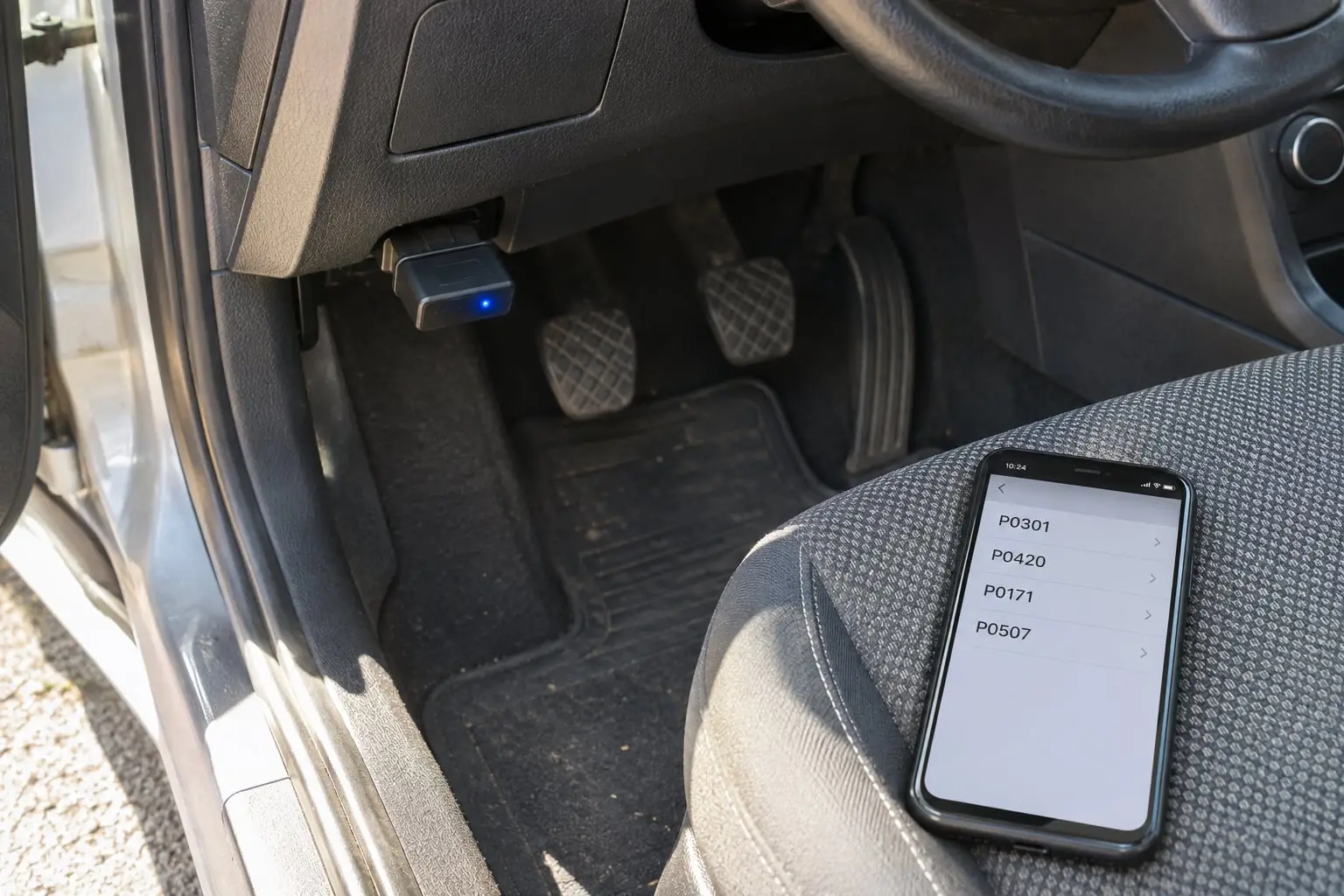
No scanner?
- Get a free scan at a parts store. Many free scans read engine codes only.
- Compare Bluetooth scanners. Check which systems each one reads before you buy.
- Describe your symptoms if you can't read the code yet.
Our pickBlueDriver Pro
Most drivers who want code explanations and repair reports, plus ABS and airbag code reading on supported cars.
By make












How to reset it
Write down the fault code and fix the cause before clearing the light. A reset does not repair a fault.
Read the reset stepsOther names for this light
- UScheck engine light
- UKengine management light
- CAcheck engine light
- AUengine warning light
Common questions
What does the check engine light mean?
It means the engine computer has found an engine or emissions fault. The malfunction indicator lamp is also called the engine warning light. Read the stored codes to work out what to check. The light alone cannot tell you which part has failed.
Why is my check engine light on?
Your car has found a fault, but the light alone cannot tell you which one. Possible causes include a loose fuel cap, misfire, air leak, sensor fault or worn converter. Start with the stored codes instead of buying parts.
Can the check engine light come on for low oil?
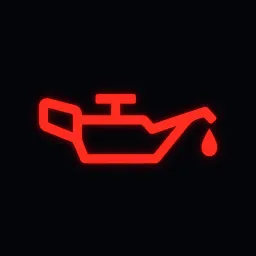
Yes, indirectly on some engines. Low oil can affect oil-operated valve timing and trigger an engine code. The check engine light is not a reliable oil-level warning. Check the oil level, and stop the engine immediately if the red oil pressure light appears.
What should I do when the check engine light comes on?
Check whether it is flashing and how the engine runs. Stop safely for flashing, shaking, overheating, smoke or fuel smells. With a steady light and normal running, check the fuel cap and get a code scan soon. Save the codes before clearing them.
What does the check engine light look like?
It usually looks like an amber engine outline. Some cars show CHECK ENGINE or SERVICE ENGINE SOON instead. A service reminder or spanner symbol can mean something different. Use your owner's manual to check the exact symbol and message.
How much does it cost to fix a check engine light?
The repair depends on the cause. It may involve a fuel cap, vapour leak repair or catalytic converter replacement. Read the engine codes and diagnose first. Diagnosis shows which parts are needed and whether the repair is a DIY job or needs a mechanic. This is guidance, not a professional inspection. If in doubt, stop safely and call for help.
Related lights

Sources
- EPA: Frequently asked questions about on-board diagnostics
- Ford: Engine warning lamp and misfire precautions
Last updated · How we write our guides
This is guidance, not a professional inspection. If in doubt, stop safely and call for help.