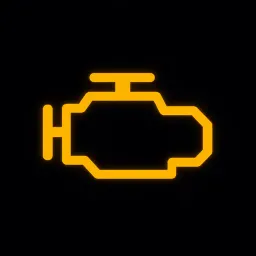
A flashing check engine light usually means an active misfire that can overheat and damage the catalytic converter. Unburnt fuel entering the exhaust can also create a fire risk. Ease off the accelerator, pull over safely and turn the engine off. Call to get it towed rather than driving on, even if flashing stops.
Also called blinking check engine light, flashing engine warning light, flashing malfunction indicator lamp
What to do right now
- Ease off the accelerator. Avoid hard acceleration and move out of traffic without sudden movements.
- Pull over somewhere safe and turn the engine off. Avoid parking above dry grass or other material that could catch fire.
- Move everyone away if there is smoke, a burning smell or a fuel smell. Call emergency services if you think there is a fire.
- Call for roadside help or a tow. Do not keep restarting the engine or drive to test whether the light returns.
- Have the stored codes and misfire data checked before replacing parts. Tell the mechanic when the flashing started.
Find out what's wrong with your car
Tell us your car and what you've noticed. You'll get a safety verdict and the three most likely causes, free.
■ Stop safely first. Use this once you're parked.
Light selectedFlashing check engine light
Free result
- Can you keep driving
- Top 3 likely causes for your car
- DIY or mechanic for each
Fix Plan
- Every cause, ranked for your car
- What to test first
- Parts list and what your mechanic should check
- Printable PDF
Start free. You can choose the Fix Plan after you see your result. Have a mechanic do the checks and repairs.
Common causes
These are general possibilities. Your car, symptoms and fault codes help narrow them down.
Failed ignition coil or worn spark plugs
Weak or missing spark can leave fuel unburnt. Check the affected cylinder and confirm the ignition fault.
Fuel injector or injector wiring fault
Incorrect fuel delivery can cause a misfire. High-pressure fuel systems need trained handling.
Intake air leak or low fuel pressure
A lean mixture can cause one or several cylinders to misfire. Test for air leaks and check fuel pressure.
Low compression or engine timing fault
Mechanical testing may be needed if ignition and fuel checks pass. Major damage may mean the engine needs replacing.
Steady vs flashing
Steady
A steady check engine light needs diagnosis soon. A short trip may be okay only if the engine runs normally. If the light becomes steady after flashing, you still need the misfire checked before driving further.
Flashing
Flashing with the engine running usually means a misfire severe enough to damage the converter. The engine may shake, but running smoothly does not prove it is safe. Stop safely and switch off.
At a glance
- Severity
- ■ Stop now
- Can I keep driving?
- No. Slow down, pull over and turn off the engine. Get the car towed.
- Most common cause
- An active misfire, often related to spark plugs or an ignition coil
- DIY difficulty
- Moderate
- Systems
- Ignition, fuel delivery, engine combustion and catalytic converter
Codes behind this light
These codes often come with this light. Read the codes stored in your car before you replace any part.
Read your fault code
The light is the warning. The code tells you why. A code helps narrow down the checks. It doesn't prove which part failed.
Look up a code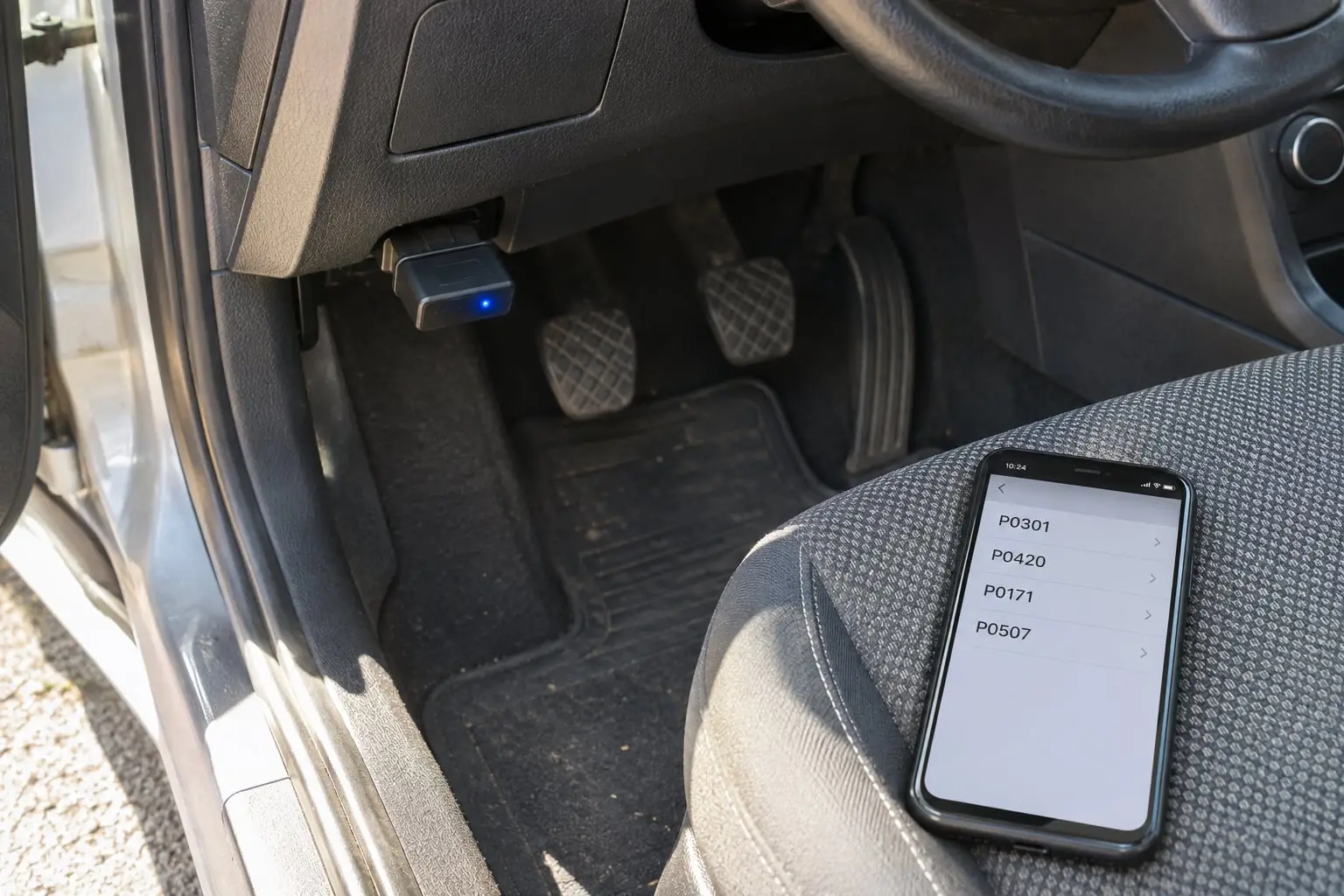
No scanner?
- Get a free scan at a parts store. Many free scans read engine codes only.
- Compare Bluetooth scanners. Check which systems each one reads before you buy.
- Describe your symptoms if you can't read the code yet.
Our pickBlueDriver Pro
Most drivers who want code explanations and repair reports, plus ABS and airbag code reading on supported cars.
By make









How to reset it
Write down the fault code and fix the cause before clearing the light. A reset does not repair a fault.
Read the reset stepsOther names for this light
- UKflashing engine management light
- AUflashing engine warning light
Common questions
What does a flashing check engine light mean?
It usually means an active misfire that can damage the catalytic converter. A misfire is when a cylinder fails to burn its mixture properly. Stop safely and switch off. A scan and further tests are needed to find the cause.
Can I drive with the check engine light blinking?
No. Drive only as far as needed to reach a safe stopping place. Keeping the engine running can send unburnt fuel into the exhaust and overheat the converter. Turn the engine off and get it towed rather than driving to a shop.
Why is my check engine light flashing and my car shaking?
A misfire can cause both the flashing light and shaking. Worn plugs or a failed coil are possible causes, but fuel delivery and compression faults can do the same. Stop the engine safely and have the fault tested.
Is it safe if the check engine light stops flashing?
No, it can stop flashing without the fault being fixed. The misfire may happen only under load or after warming up. Stored codes can remain. Get a diagnosis before driving again, especially if the engine shook or lost power.
How much does a flashing check engine light cost to fix?
The repair depends on the cause. It may involve spark plugs, coils or catalytic converter damage. Stop safely, then have the engine codes read and the misfire diagnosed first. Diagnosis shows which parts are needed and whether the repair is a DIY job or needs a mechanic. This is guidance, not a professional inspection. If in doubt, stop safely and call for help.
Related lights

Sources
- Ford: Flashing malfunction indicator lamp and fire precautions
- EPA: On-board diagnostics and engine misfire
Last updated · How we write our guides
This is guidance, not a professional inspection. If in doubt, stop safely and call for help.